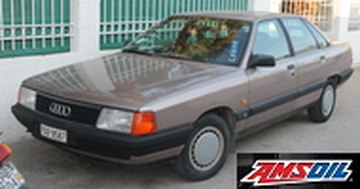
Engine Oil Maintenance for the 1984 Audi 5000 2.0L
Maintaining the lubrication system in a vehicle like the 1984 Audi 5000 with the 2.0L [H] DE Diesel Turbo engine is a fundamental aspect of routine upkeep. Proper oil management helps ensure that internal components remain lubricated during operation.
What oil does my 1984 Audi 5000 2.0L take?
For this application, AFLQT-EA SAE 5W-40 MS Synthetic European Motor Oil is listed.
Understanding Engine Oil Viscosity
Viscosity refers to a fluid's resistance to flow. In the context of engine lubrication, the viscosity grade determines how the oil behaves under different temperature conditions. A lower number in the viscosity rating typically indicates better flow at lower temperatures, while the higher number indicates how the oil maintains its thickness as the engine reaches operating temperature. For this specific 1984 Audi 5000, a 5W-40 grade is listed in the database.
Monitoring Oil Levels
Regularly checking the oil level using the dipstick is a standard maintenance practice. This should be done when the vehicle is parked on a level surface to ensure an accurate reading. If the oil level appears low, it may indicate consumption or a leak that requires investigation. Consistent monitoring helps prevent the engine from running with insufficient lubrication, which can lead to increased friction between moving parts.
Observing Oil Condition
The physical appearance of the oil can provide information regarding the internal state of the engine. While diesel engines often produce darker oil due to the nature of combustion and soot, significant changes in texture or the presence of unexpected contaminants should be noted. If the oil appears milky or shows signs of heavy sludge formation, it may indicate that the fluid has reached the end of its service life or that moisture is entering the system.
Oil Change Intervals
To maintain the engine effectively, the oil must be replaced at regular intervals to remove contaminants and depleted additives. Because specific mileage or time-based intervals are not provided in the technical data for this vehicle, you should follow the manufacturer maintenance schedule found in your owner's manual. Adhering to the scheduled service intervals helps ensure that the lubrication remains effective throughout its use.
Managing Oil Leaks
Leaks can occur at various points, such as gaskets, seals, or the oil filter housing. If you notice oil spots on the ground beneath the vehicle or a smell of oil after driving, it is important to inspect the engine bay. Small leaks can lead to gradual oil loss, which may eventually result in low oil levels if not addressed. Identifying the source of a leak early can prevent more significant mechanical issues.
What oil filter does my 1984 Audi 5000 2.0L need?
The following oil filters are listed for this vehicle:
- EAO15-EA — AMSOIL Ea Oil Filters
- W94025-EA — MANN-FILTERS Oil Filters
What transmission fluid does my 1984 Audi 5000 2.0L take?
The required fluid depends on your specific transmission type:
- For manual transmissions and transaxles, use the MTGPK-EA Manual Transmission & Transaxle Gear Lube 75W-90 listed for this vehicle.
- For automatic transmissions, use either the ATFPK-EA Signature Series Multi-Vehicle Synthetic Automatic Transmission Fluid or the OTFQT-EA OE Multi-Vehicle Synthetic Automatic Transmission Fluid listed for this application.
What differential or gear oil does my 1984 Audi 5000 2.0L take?
The 1984 Audi 5000 2.0L takes the following gear lube listed for this application:
- FGRQT-EA — 75W-90 Long Life Synthetic Gear Lube
What coolant does my 1984 Audi 5000 2.0L take?
The following products are listed for this vehicle:
- ANTPC1G-EA — Passenger Car & Light Truck Antifreeze & Coolant
- ANT1G-EA — Low Toxicity Antifreeze and Engine Coolant
When should I change the oil in my 1984 Audi 5000 2.0L?
To determine the correct oil change interval for this vehicle, follow the owner's manual or the manufacturer maintenance schedule.
BUYING ENGINE OIL
When you are ready to purchase lubrication for your vehicle, refer to the listed specifications to ensure you are selecting a product that matches the 5W-40 grade. You can find various options at automotive parts retailers or through specialized oil suppliers. Always verify that any product you select is consistent with the information provided for your specific engine type.